About

Make:Sense

A long-form study of craft traditions and the forms of intelligence embedded within them.

Structured through Volumes and Chapters, the project examines how perception is trained through material practice — and how attention can be cultivated through sustained observation.

The Project

Make Sense is organised as a series of Volumes, each grounded in a specific geography.

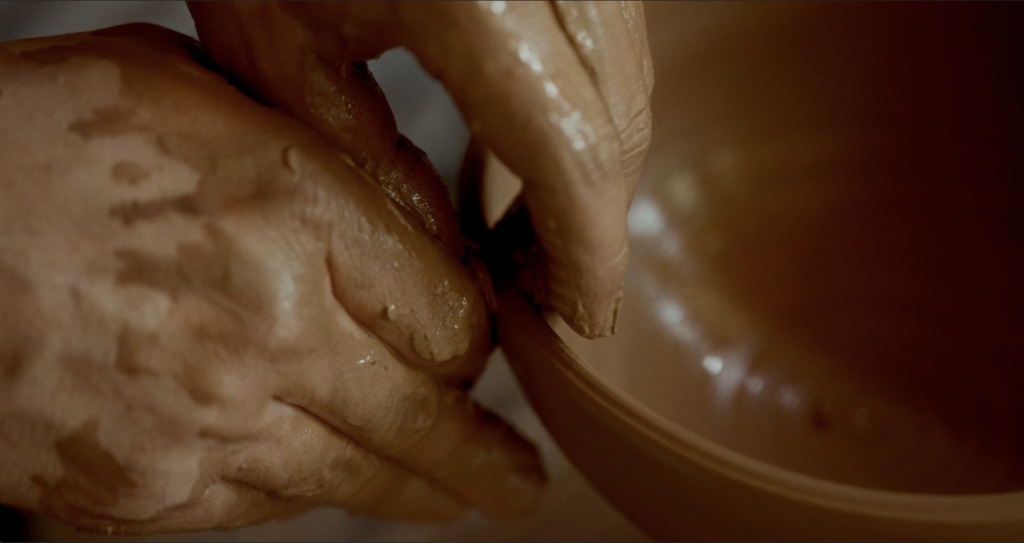
Within each Volume are Chapters — extended studies of individual artists and workshops. These are structured encounters with practice: clay preparation, pigment mixing, rhythm, repetition, correction.

Each Chapter is situated and precise.

Philosophy

Craft traditions are approached not as heritage artefacts, but as living systems of knowledge.

The emphasis is on process over product, and on perception before interpretation.

Comparison plays a central role. By placing traditions in dialogue — across geographies and materials — the project seeks to understand what remains constant and what changes.

Perception is treated as a skill.

One that can be trained.

Global Scope

The project operates comparatively.

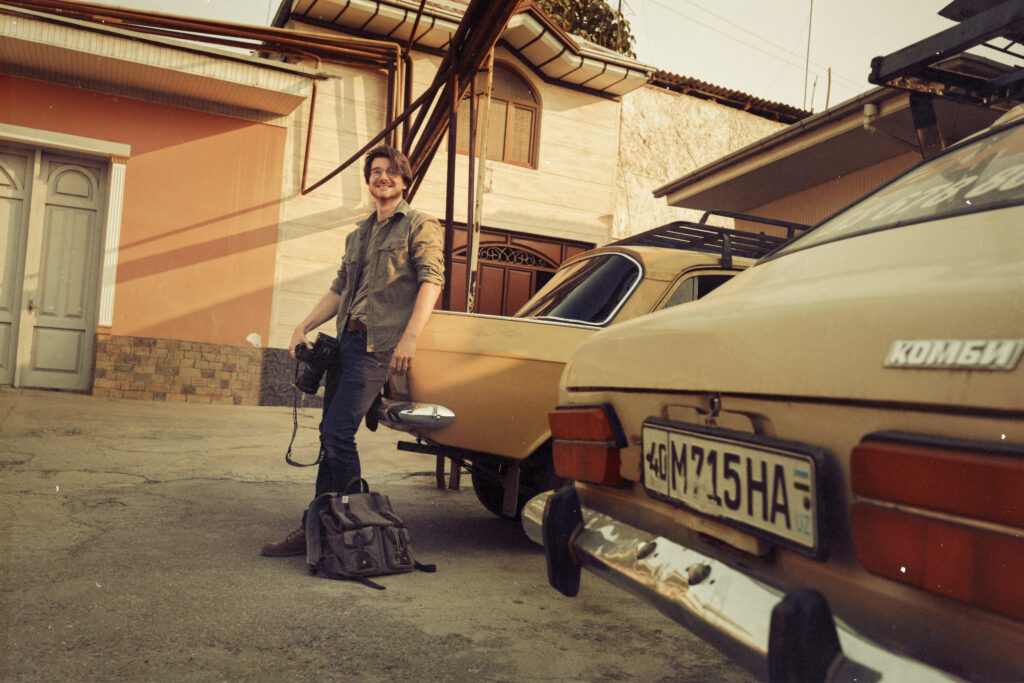
Volume I focuses on Uzbekistan.
Volume II focuses on Turkey.

Future volumes will extend the study to additional regions, maintaining the same structural discipline: immersion, documentation, comparison.

The scope expands cumulatively rather than conceptually shifting.

About Patrick

Make Sense is developed and written by Patrick [Surname], a researcher working across craft traditions and visual culture.

The project emerged from extended time spent in workshops — observing processes, asking questions, and participating where possible.

Its direction is shaped by field research rather than institutional affiliation. The emphasis remains on depth, continuity, and clarity.

The work continues to be structured around a single question:

What does it mean to truly see how something is made?